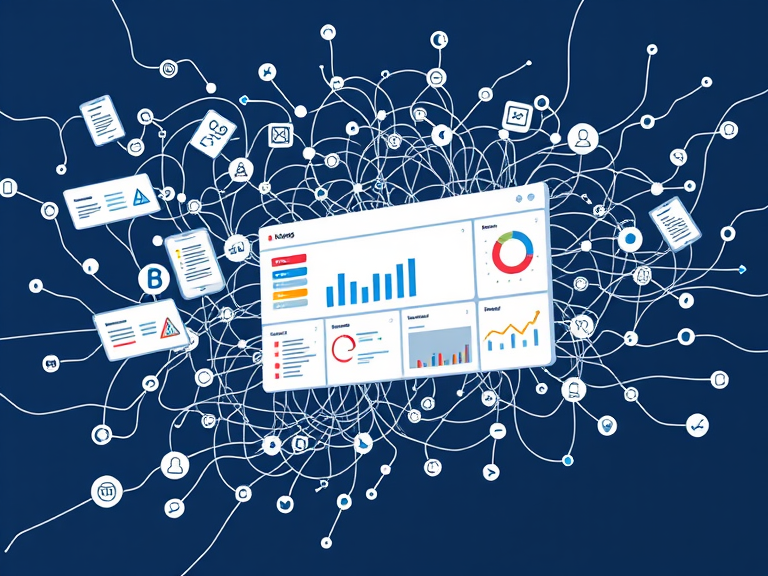

For organizations operating in highly regulated industries, maintaining a robust Governance, Risk, and Compliance (GRC) program is not merely a matter of ticking boxes—it's a constant battle against evolving regulations and increasing complexity. Traditional GRC approaches, relying on manual reviews and static documentation, are proving inadequate to the task. They are time-consuming, prone to error, and struggle to keep pace with the relentless stream of regulatory changes. A new paradigm is emerging, leveraging the power of Artificial Intelligence (AI) to move beyond checklist compliance toward *continuous* monitoring and heightened risk awareness. Central to this shift is the concept of semantic analysis—a technology that understands the *meaning* behind policies and regulations, rather than simply matching keywords.
The Limitations of Traditional GRC Approaches
Historically, GRC programs have depended on manual effort to map controls to requirements, often documented in spreadsheets or disparate systems. This process is not only laborious but also creates significant blind spots. The nuances of language are easily missed, leading to misinterpretations and potential gaps in compliance. When a new regulation is issued, the entire process must be repeated, requiring significant time and expertise. Furthermore, these static assessments don’t account for the dynamic nature of an organization’s environment – changes in infrastructure, personnel, or business processes can quickly render compliance assessments obsolete. As noted by industry experts, continuous monitoring is “critical for organizations as it helps avoid costly fines, protect sensitive data, and mitigate reputational damage”.
Introducing AI-Powered Semantic Analysis
Semantic analysis, at its core, is about enabling computers to understand natural language. In the context of GRC, this means an AI engine can dissect a regulatory document, identify its core requirements, and then compare those requirements against an organization’s existing policies, controls, and evidence. This comparison isn’t based on simple keyword matches, but on a deep understanding of the underlying meaning and intent.
Imagine an AI agent proactively monitoring official regulatory websites—federal, state, and industry-specific—for updates. This agent not only identifies new regulations but also *verifies* their authenticity, eliminating the risk of acting on inaccurate information. Once a new regulation is confirmed, another AI agent takes over, performing a semantic comparison against the organization’s existing GRC documentation.
How it Works: A Multi-Agent AI System
The real power lies in a multi-agent system where specialized AI agents collaborate to automate the entire process. Here's a breakdown:
- Regulatory Scout: This agent continuously monitors official sources for new or updated regulations, verifying authenticity and extracting relevant details.
- Semantic Analyzer: This agent dissects both the regulation and the organization's policies and controls, understanding the meaning and relationships between different clauses.
- Gap Identifier: This agent compares the “target state” outlined by the regulation with the organization’s “current state,” highlighting any gaps in compliance.
- Remediation Proposer: Based on the identified gaps, this agent recommends specific remediation steps, drawing on a knowledge base of best practices and pre-approved controls.
This system automatically pulls and refreshes data from various sources—shared document repositories, policy catalogs, risk registers, cloud platforms (AWS, Azure, Google Cloud), identity management systems (Okta), and even traditional GRC systems. It then semantically links these artifacts, effectively creating a GRC analyst who possesses complete awareness of the organization’s environment. This approach is not simply about automation; it’s about achieving a level of insight previously unattainable with manual processes.
The Benefits of Continuous Compliance and Heightened Risk Awareness
The implications of this approach are significant.
- Reduced Risk: Proactive identification and remediation of compliance gaps minimize the risk of fines, penalties, and reputational damage.
- Increased Efficiency: Automating time-consuming tasks frees up GRC teams to focus on strategic initiatives, such as designing robust controls and evaluating emerging risks.
- Real-time Visibility: Continuous monitoring provides a real-time view of the organization’s compliance posture, enabling faster and more informed decision-making.
- Improved Agility: The ability to rapidly assess the impact of new regulations allows organizations to adapt quickly to changing market conditions.
- Enhanced Collaboration: A centralized, AI-powered platform fosters collaboration between GRC, IT, security, and business teams.
This proactive approach transforms GRC from a reactive exercise into an integral part of the organization’s risk management strategy.
Beyond Compliance: Driving Business Value
AI-powered semantic analysis doesn’t just help organizations *avoid* penalties; it also enables them to unlock new opportunities. By gaining a deeper understanding of their compliance obligations, organizations can streamline processes, reduce costs, and improve efficiency. This allows them to innovate more quickly and gain a competitive advantage in the marketplace.
Trustero: Your Partner in AI-Powered GRC
At Trustero, we're pioneering the use of AI to revolutionize GRC. Our platform leverages a multi-agent AI system, contextualized with a comprehensive library of risks, policies, controls, and evidence. We handle the time-consuming tasks of gap analysis, remediation guidance, questionnaire automation, and evidence collection, allowing your team to focus on what truly matters.
Trustero is Framework Agnostic